Back on the Road With Certainty - Reliable Auto Repair
Essential auto repair ensures safe and efficient vehicle operation. A reputable shop offers comprehensive work, from routine checks to urgent repairs. Determining when your vehicle requires service can prove tricky. Many drivers find it difficult to locate dependable repair experts. Ongoing upkeep is vital for maximizing your car's longevity. Yet, the difficulties with repair costs and talking to mechanics can leave one hesitant. What measures can drivers implement to maintain their vehicles road-ready?
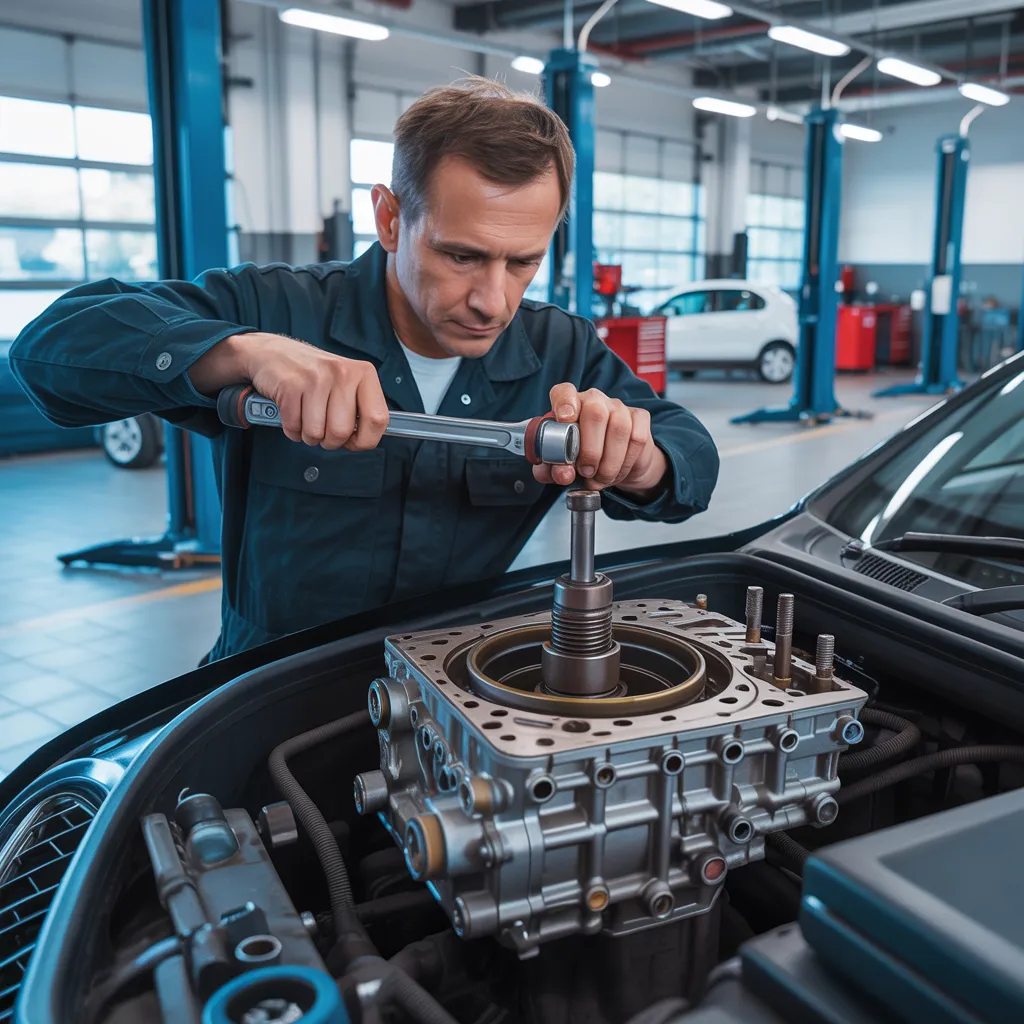
Identifying When Your Vehicle Requires Repairs
How can one determine when a vehicle has issues? There are different key indicators that indicate a need for repair. Unusual noises, such as grinding or squeaking, often suggest brake or engine problems. Warning lights on the dashboard, particularly the check engine light, should not be ignored, as they signal potential problems that require immediate inspection. Additionally, a reduction in performance, such as sluggish acceleration or difficulty starting, can also indicate underlying mechanical issues.
Visual cues, such as oil seepage or uneven tire deterioration, are additional signals that maintenance is needed. If the car drifts to one direction while driving, this could indicate misalignment issues or tire complications. Regularly observing these elements can help ensure prompt maintenance, preventing greater deterioration and expenses in the future. Ultimately, being attentive and forward-thinking is vital for preserving your car's condition.
How to Discover a Reputable Auto Repair Shop
Locating a trustworthy auto repair shop can be a challenging task for car owners. To begin, individuals should ask for recommendations from friends, family, or work associates. Own experiences often convey pertinent information into a operation's standard of service. Internet-based reviews and marks on networks like Yelp or Google can also help gauge consumer contentment.
Next, confirming credentials and memberships with recognized industry organizations, such as the Automotive Service Excellence (ASE), can demonstrate a shop's dedication to quality practices. It is recommended to check out candidate facilities for an first meeting, enabling customers to evaluate cleanliness, organization, and customer service.
Additionally, procuring quotations before any work gets underway can stop misunderstandings about costs. Finally, a reliable shop should be transparent about its services and prepared to explain repairs. By following these steps, vehicle owners can increase their chances of finding a trustworthy auto repair shop.
Why Regular Car Service Is Important
While many car owners may overlook regular maintenance, consistent vehicle maintenance is indispensable for ensuring a car's endurance and peak performance. Avoiding upkeep can create a series of problems, from minor inconveniences to major repairs. Routine assessments, such as lubricant replacements, wheel adjustments, and brake evaluations, can eliminate expensive fixes and improve safety on the road.
Furthermore, ongoing maintenance helps sustain a vehicle's gas mileage, minimizing overall maintenance expenses. It also safeguards the resale value; a well-kept car is often more appealing to interested buyers.
Engaging in scheduled upkeep builds a sense of responsibility among owners, motivating them to remain aware about their vehicle's needs. By stressing regular care, vehicle owners not only protect their purchase but also contribute in overall road safety. Ultimately, consistent vehicle maintenance is a proactive strategy that benefits both the owner and the broader society.
Understanding Maintenance Costs
Understanding maintenance costs often seem challenging for vehicle proprietors. Numerous aspects contribute toward these costs, involving hourly labor rates, component pricing, and the level of difficulty associated with the repair work. Labor fees differ significantly based on region and shop, commonly showing the mechanic's qualifications and the shop's operating costs. Besides, the variety of components applied—should OEM or third-party alternatives—can substantially determine the final amount.
Vehicle type and years also factor in; less common or older models may require specialized parts that are pricier and more difficult to find. Additionally, unforeseen problems can emerge during maintenance work, leading to extra expenses that were not initially anticipated. By developing fundamental knowledge of these factors, vehicle owners can tackle repair quotes with increased assurance and establish well-reasoned conclusions regarding their car-related necessities.
How to Lucidly Outline Car Issues to Your Mechanic
Relaying car issues effectively to a technician can significantly improve the diagnosis and maintenance process. When describing issues, car drivers should be detailed about signs, such as unusual noises, tremors, or warning lights. Providing information on when the issue takes place—whether during speeding up, braking, or running at rest—can also support the technician identify the problem.
It is important to identify any latest modifications in driving behavior or upkeep records. Choosing simple, plain language avoids ambiguity, allowing the mechanic to interpret the situation more accurately. Owners should abstain from incorporating industry terminology unless they are confident in its interpretation.
In addition, presenting evidence, such as service records or previous repair invoices, can establish context. A specific description not only accelerates swift diagnosis but also promotes a teamwork approach between the car owner and the mechanic, ultimately ensuring effective repairs.
Establishing a Lasting Relationship With Your Auto Repair Shop
Developing a sustained partnership with an auto repair shop depends on integrity and transparency. Steady quality service reinforces this bond, while transparent communication pathways guarantee that patrons are made to feel valued and understood. Together, these aspects create a alliance that benefits both the customer and the mechanic.
Establish Credibility By Transparent Practices
When customers feel aware about the services their vehicles need, faith naturally grows between them and their auto repair shop. Transparency in communication is vital; it enables customers to understand the basis behind recommended repairs and maintenance. Auto repair shops that provide comprehensive explanations, transparent estimates, and open conversations create a sense of trust among their clientele. This openness not only simplifies the repair process but also empowers clients to make well-informed decisions. Moreover, sharing information about the shop’s qualifications, warranties, and service history builds credibility. By emphasizing transparency, auto repair shops can develop lasting relationships, encouraging repeat business and loyalty. Ultimately, trust through transparency sets the stage for a more rewarding and dependable auto repair experience.
Reliable Quality Service
Consistent quality service is the cornerstone of a lasting relationship between customers and their car repair facility. When customers obtain dependable and prompt repairs, they are more likely to come back for subsequent upkeep. This reliability fosters trust, allowing customers to be assured in the skill of the technicians. Over time, as customers observe the same high standards being upheld, a sense of loyalty develops. Quality checks performed on a regular basis and compliance to industry standards guarantee that vehicles are not only repaired but also serviced to avoid future issues. Such dedication to excellence creates an environment where customers sense appreciation, knowing their vehicles are in capable hands. Ultimately, this commitment to consistent quality service strengthens the relationship between auto repair shops and their clientele.
Open Communication Channels
Effective exchange serves as an important link between customers and their auto repair shops, reinforcing confidence and understanding. Transparent pathways for communication useful guide foster a team-oriented context where customers feel valued and informed. When repair shops provide transparent explanations regarding work performed, costs, and timelines, customers can make better selections about their automobiles. Regular communications during repairs can minimize anxiety and build assurance in the shop's capabilities. Conversely, clientele who articulate their reservations and preferences participate to a more tailored experience. This reciprocal exchange not only strengthens ties but also fosters commitment. By focusing on open communication, auto repair shops can develop a image for dependability, securing that clientele return for upcoming needs, confident in the service they will receive.
Frequently Addressed Questions
What Should I Do if My Car Breaks Down Suddenly?
When a car malfunctions suddenly, the driver should securely move to the roadside, turn on hazard lights, evaluate the situation, and call for roadside assistance or a tow service if needed. Remaining composed is vital.
How Can I Verify if a Mechanic Is Ethical?
To determine a mechanic's dependability, one should examine feedback, seek recommendations, assess credentials, and observe transparency in rates. A dependable technician will express information plainly and provide detailed explanations of essential maintenance and services.
Do find protection plans for auto repair work?
Most auto repair shops provide guarantees on their services and parts, typically spanning 90 days to several years. Customers should inquire about specific terms and conditions to ensure adequate protection for their repairs.
What Equipment Should I Store in My Car for Urgent Situations?
A properly equipped vehicle should include a spare tire, jack, jumper cables, flashlight, first aid kit, basic tools, and tire pressure gauge. These essential supplies help maintain safety and resolve minor issues during unexpected emergencies on the road.
What Can I Do to Prepare My Car for Seasonal Changes?
To prepare a car for seasonal changes, one should verify liquid amounts, examine tires for tread and pressure, test the power source, replace wipers, and make certain lights operate as intended for maximum safety and performance.